
Thoracic Radiculopathy
If you’ve been dealing with mid-back pain that seems to wrap around your chest or shoot toward your abdomen, you might have already visited a few specialists before anyone mentioned your spine. That’s not unusual. Thoracic radiculopathy, which refers to nerve pain originating in the mid-back, is one of the more commonly misdiagnosed spinal conditions. The symptoms can look a lot like a heart problem, a pulled muscle or even a digestive issue.
Published research confirms that it often goes unrecognized for months before the spine is identified as the source.
Understanding Thoracic Radiculopathy and Mid-Back Pain
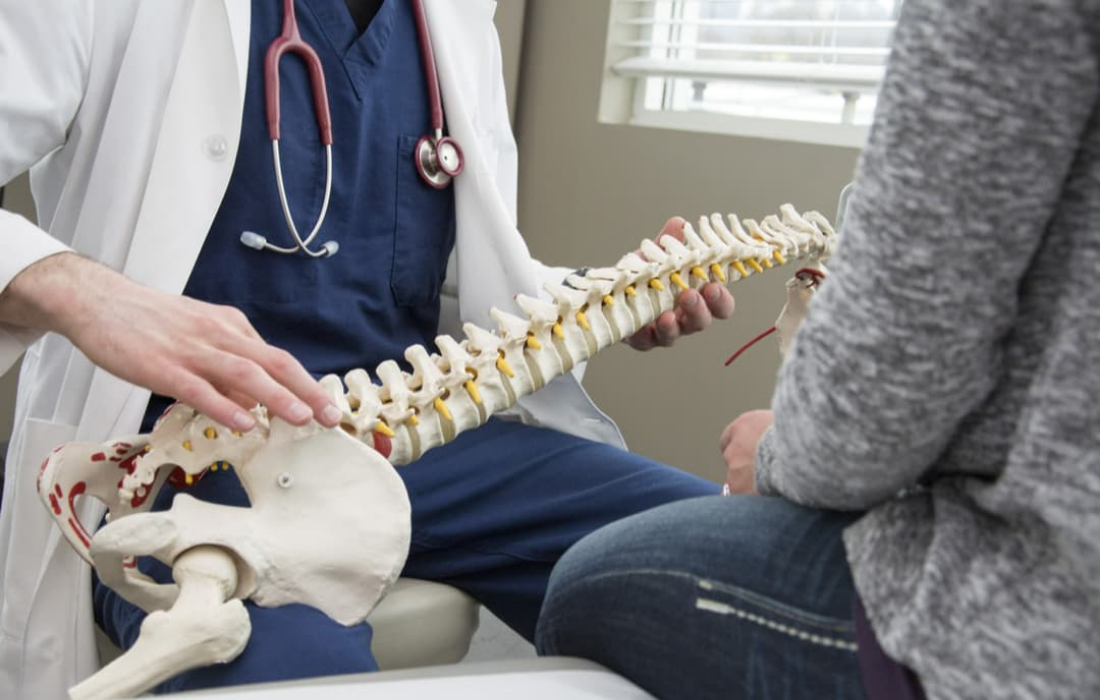
Your spine is divided into three sections. The thoracic spine is the middle section with twelve vertebrae that sit between your neck and lower back, each one connected to a pair of ribs. That connection makes this part of your spine very stable, which is why problems here are less common than in the neck or lower back. However, that same stability makes symptoms harder to pin down when something does go wrong.
Each vertebra has a small opening on either side where a nerve root branches off the spinal cord and travels outward. When that opening narrows, from a worn disc, a bone spur or an arthritic joint, the nerve gets pinched.
In the thoracic region, those nerve roots wrap around the torso. Therefore, a compressed nerve in your mid-back can cause pain that radiates forward across your chest wall, down toward your belly or along the rib line.
The actual problem is in your back, but you might feel it somewhere entirely different. That mismatch is why thoracic radiculopathy so often gets mistaken for something else.
Identifying Thoracic Radiculopathy Symptoms and Rib Discomfort
Symptoms vary depending on which nerve root is affected and how much pressure is on it. The ones patients describe most often include:
- A burning or shooting pain in the mid-back that radiates around the ribs or toward the front of the body
- Rib pain that seems to appear out of nowhere, sometimes a dull ache, sometimes a sharp or tender sensation along the rib line
- Numbness or tingling that wraps around the side, chest wall or upper abdomen
- Pain that gets worse when you take a deep breath, cough, sneeze or sit for a long time
- In more serious cases, weakness in the muscles of the chest wall or abdomen
Chest pain and difficulty breathing should always be evaluated by a physician before assuming the cause is spinal. Once cardiac and pulmonary conditions have been ruled out, thoracic radiculopathy symptoms become much easier to address directly.
Primary Causes of Thoracic Nerve Compression
- Disc wear and herniation: The cushioning discs between your vertebrae flatten and break down with age. A disc that has worn thin or pushed out of place can press directly on a nearby nerve root.
- Arthritis in the spinal joints: The small joints at the back of each vertebra can develop arthritis over time. That causes bone spurs and inflammation that gradually close off the space where the nerve exits.
- Thickened spinal ligaments: The tough bands of tissue running along the spine can thicken with age, reducing the room available for the nerve roots.
- Compression fractures: A vertebra weakened by osteoporosis or injury can partially collapse, putting direct pressure on the surrounding nerves.
- Diabetes: High blood sugar over time can damage nerve roots directly — no structural compression needed. This is why imaging doesn’t always tell the whole story.
Interventional Thoracic Radiculopathy Treatment Options
Most people with thoracic radiculopathy get better without surgery. Treatment usually starts with the basics: anti-inflammatory medication, targeted physical therapy and changes to activities that aggravate the nerve. For many patients, that combination brings significant relief within a few weeks.
When conservative care isn’t enough, there are several interventional options:
- Epidural steroid injections: Medication is delivered directly to the affected nerve root to reduce swelling and quiet the pain signal at its source.
- Nerve root blocks: A targeted injection at a specific spinal level that both relieves pain and helps confirm exactly which nerve is causing the problem.
- Intercostal nerve blocks: For patients whose main complaint is rib pain or chest wall discomfort, these injections target the nerve pathways running along the ribs.
- Radiofrequency ablation: A minimally invasive procedure that uses heat to interrupt the nerve’s ability to send pain signals, often providing longer-lasting relief than injections alone.
Surgery is reserved for a small number of cases where there’s progressive muscle weakness or signs that the spinal cord itself is being compressed. For most patients, the path back to feeling better doesn’t go through an operating room.
Find Care at University Orthopaedic Associates
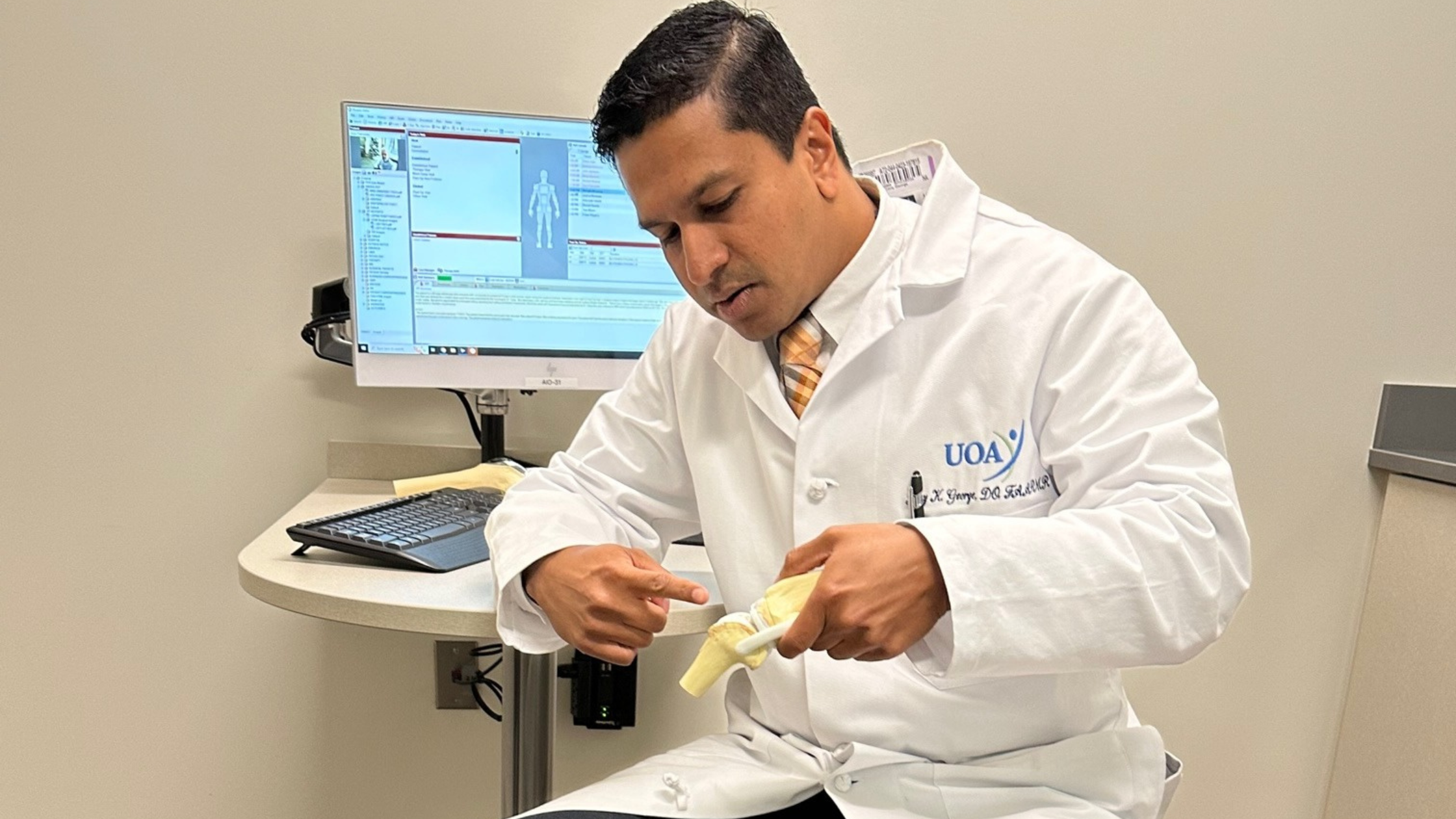
At University Orthopaedic Associates, getting the diagnosis right comes first. Our Interventional Physiatry and Pain Management team uses EMG, musculoskeletal ultrasound and advanced imaging to find the exact source of your thoracic radiculopathy before recommending any treatment. They work side by side with our spine specialists, so if your case involves both nerve and structural issues, you’re covered without having to coordinate care yourself.
UOA sees patients at six New Jersey locations: Somerset, Princeton, Wall, Woodbridge, Morganville and Monroe. If mid-back pain, unexplained rib pain or chest wall symptoms have been affecting your daily life, contact us to request an appointment.