
Ulnar Nerve Injury
Bump the inside of your elbow in just the right spot and you feel it immediately. That electric jolt shooting into your ring and little fingers is your ulnar nerve making itself known. When you have an ulnar nerve injury, that sensation lingers, spreads or keeps coming back.
The ulnar nerve runs from the neck through the arm and into the hand. Near the elbow, it passes through a narrow passage called the cubital tunnel, where it sits remarkably close to the skin surface.
That anatomy leaves it exposed. Compression, repeated bending or prolonged pressure on the inner elbow can all irritate or damage the nerve over time, making ulnar nerve injury the second most common nerve compression problem in the upper extremity, behind only carpal tunnel syndrome.
Symptoms of Ulnar Nerve Injury
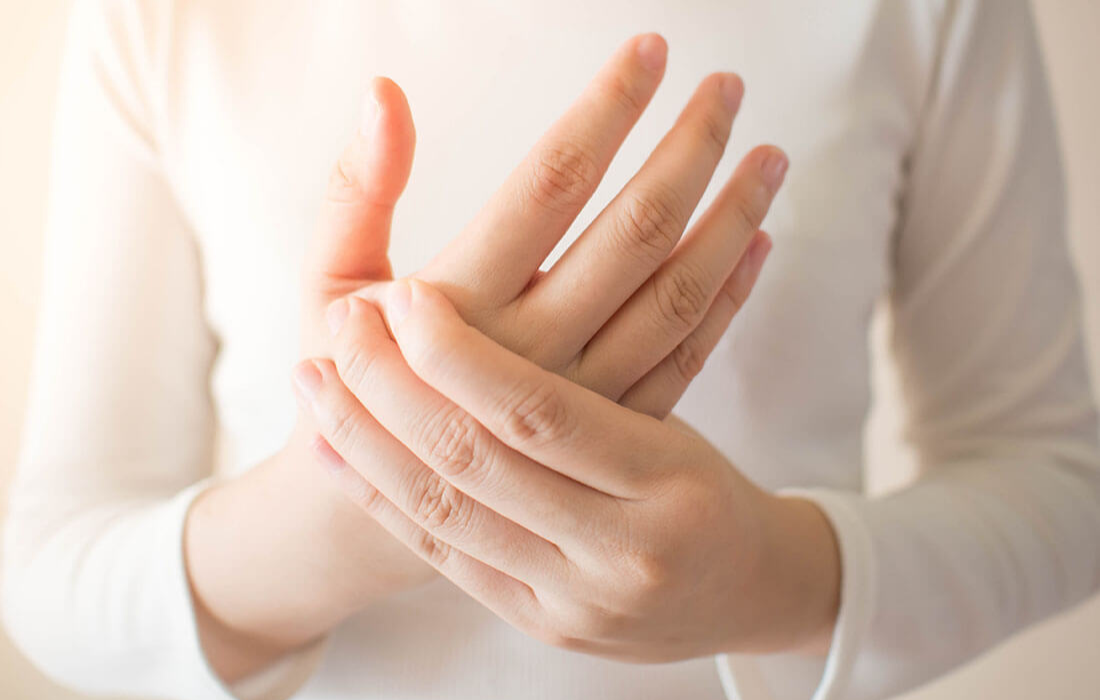
Most people first notice changes in the ring finger and little finger. Tingling and numbness are the most common early signs, and they tend to worsen when the elbow is bent, such as while sleeping, holding a phone or driving. Some people wake up at night with a hand that has gone numb. Pain along the inside of the elbow is also a common complaint.
As an ulnar nerve injury progresses, grip strength may drop and fingers can feel difficult to coordinate. In more advanced cases, visible muscle wasting in the hand may develop, along with a claw-like position of the ring and little fingers. These changes indicate that compression has been affecting the muscles the nerve controls, and they are worth bringing to a specialist sooner rather than later.
Causes and Risk Factors
An ulnar nerve injury can develop for several reasons, and in many patients, no clear single cause is ever identified. That said, some of the most common contributing factors include:
- Sleeping with the elbow tightly flexed
- Leaning on the elbow for extended periods at a desk
- Performing repetitive work that involves constant bending
Structural issues play a role as well. Arthritis, bone spurs and prior fractures or dislocations around the elbow can all reduce the space the nerve has to travel through. It is also important to note that the nerve can be injured during surgical exposure or fracture open reduction and internal fixation, requiring interoperative management and repair or delayed repair for complex cases.
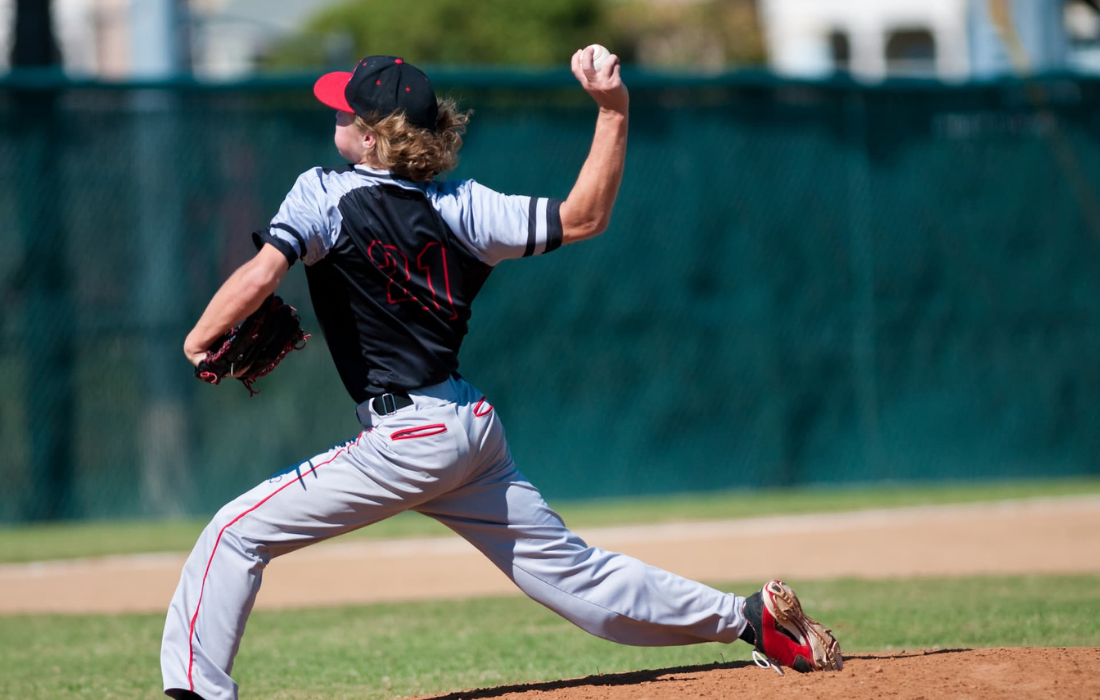
Throwing athletes face added risk from the stress that overhead arm mechanics place on the inner elbow. In some patients, the nerve slides out of its groove during elbow movement, creating ongoing irritation even without obvious compression.
Diagnosis
Your physician will ask when symptoms started, which positions or activities make them worse and whether any grip weakness or clumsiness has developed. Grip strength, finger sensation and overall hand coordination are all assessed during the visit.
Additional testing helps connect the symptoms to the source of nerve pressure. X-rays may show arthritis, bone spurs, or other changes around the elbow, while a nerve conduction study tracks how well signals move through the ulnar nerve. Electromyography can then show whether that pressure has affected the muscles it controls.
Treatment
Non-Surgical Options
When symptoms are mild or have not yet caused measurable weakness, nonsurgical care is the standard starting point. Many patients do well with activity changes and bracing alone.
Your physician or specialist may recommend a nighttime elbow splint to limit excessive bending, elbow padding to reduce direct pressure during the day and hand therapy or nerve gliding exercises to ease symptoms and restore function. Anti-inflammatory medication may be considered for short-term discomfort when your physician finds it appropriate.
Surgical Options
When conservative care has not brought enough relief, or when nerve compression has already caused weakness or muscle changes, surgery may be the right next step. Two procedures address ulnar nerve injury most commonly. Cubital tunnel release divides the ligament covering the cubital tunnel to relieve pressure on the nerve and works well for mild to moderate compression. Ulnar nerve transposition moves the nerve to a position in front of the elbow to prevent it from catching or overstretching during arm movement.
Recovery
Recovery from an ulnar nerve injury depends on how long the nerve was under pressure and whether muscle changes developed before treatment began. Patients who address the problem early often do well with nonsurgical care, seeing steady improvement through therapy and activity adjustments.
After surgery, most patients go home the same day and can return to light activity within a few weeks, though grip strength and sensation may continue to improve over several months. Hand therapy is an important part of getting full function back after a procedure.
Nerves heal slowly. Addressing compression sooner rather than later gives the nerve its best chance at a full recovery.
Get Care for Ulnar Nerve Injury in New Jersey
Persistent numbness, tingling or weakness in your hand should not be ignored. An ulnar nerve injury left unaddressed can lead to changes that are difficult to reverse. At University Orthopaedic Associates, our hand and upper extremity surgeons hold subspecialty certification in surgery of the hand and upper extremity and treat conditions including cubital tunnel syndrome, nerve injuries and related elbow, wrist and hand disorders. UOA serves patients throughout New Jersey from six locations, including Somerset, Princeton, Wall, Morganville, Woodbridge and Monroe. Request an appointment today.